
Images Done for you by our team. Let's talk.
Ads and product images, made from your brand.
Tell the Jinn team what you’re launching. A matched set comes back in every size you need, checked and ready to export.
Each tool below sits somewhere in one loop: your record, the shoot, the checks, your yes.
Watch one set come together
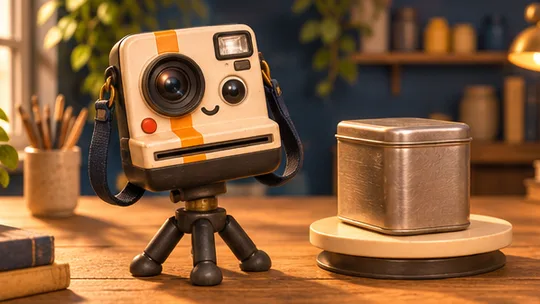
The product shot
Snap shoots your real product.
Your product photo becomes a clean cut-out. A doubtful cutout falls back to your original photo.
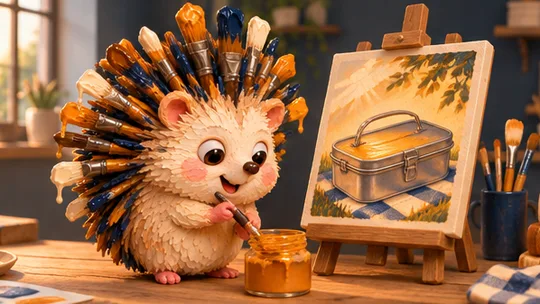
The painted scene
Bristle paints the set in your look.
The set is painted around your real product, frame after frame in one look.

The finished set
Register checks every size.
Every image in the set is checked against your record before you see it.
One set, one world.
Lifestyle frames made from Olipop’s record, the real can in every one.
Example brands, real Jinn output
Stage by stage
Everything the studio does, in the order it happens.
You say what you need. The Jinn team plans the shoot, runs it, checks it and hands you the set.
- See
It looks before it paints.
Three things meet before a single pixel renders: a proven reference, your real product and your brand record.
Reference ads: a winning ad is read into a reusable brief (the hook, what persuades, the layout, the copy pattern, the call to action) with the other brand, its product and its claims stripped out at the read. You keep the structure that worked and none of what was theirs.
Your product, cut out: your product photo becomes a clean cut-out with no background, kept for reuse. How sure the cut is gets measured, and a doubtful one is never sent to a paid render.
Your brand record: the 700+ signal record supplies what a prompt can’t: your palette, your product facts, the claims you can back and your voice. A missing proof point never becomes a made-up one.
- Brief
Direct it like a studio, not a slot machine.
A new shoot: tell the team what you’re launching and how it should feel, as a conversation, not a form. It becomes a shoot plan with slots, formats and cast.
One frame: when you need a single hero image or one ad instead of a campaign, the same product-true process runs on one slot.
The brief stays open: shape the product, scene, mood, lighting and size in plain words after kickoff: tighten a scene, swap an angle. The thread that briefed the shoot keeps directing it.
- Paint
The winning structure, rebuilt as yours.
The scene: the extracted structure is rebuilt with your product, your palette and claims you can back. A proven shape, honest content.
Recurring cast: recurring people your brand keeps, created by the model: cast once, and the same faces carry through every frame and every campaign.
Ad shapes: a catalog of ad shapes drawn from a library of reference ads that were collected, ranked, tagged and de-duplicated: structures that already performed, never someone else’s brand.
Visual style: seven style slots (medium, grade, finish, lens, time, lighting and mood), seeded from your brand record and yours to set one by one: confirm the seed, change it or clear it. An empty slot means clean photoreal, never a hidden default.
- Judge
Graded before you ever see it.
Two kinds of check on every image, one fixed and one judged by a model, and both report to you, not over you.
Two checks: a pixel-contrast check measures whether the copy can really be read. A vision judge checks the product wasn’t distorted and that no text sits over a face or the product. The judge advises; its findings come with the frame.
Your sign-off: campaigns arrive as drafts behind a review step. You approve the set, and it is final only then.
A fresh frame: a frame you don’t love is made again from the same brief: a new frame with its own run, never an edit of the one you reviewed.
Accuracy lock: switch it on for your brand and each shoot frame is held up against your real product photos. A frame under your accuracy floor is made again automatically, and the top-scoring frame is the one you see. Nothing about it runs silently.
- Ship
From the easel to the channel.
Finished work leaves the studio packaged, not stranded.
Your library: every run is kept, to browse, share and reuse. Yesterday’s campaign is tomorrow’s reference.
Ads and ad sets: singles and sets, organized the way you brief them: one frame, or a spread of formats from the same shoot.
Exports: finished ad sets export as a downloadable package, including a Pinterest-format bulk-upload CSV. The schedule spread, column mapping and duplicate check are done; you run the upload yourself, and nothing is pushed to Pinterest live.
Campaigns
One brief. A campaign, not a lottery ticket.
A campaign is a goal-driven set of shots made as one shoot: same product, same light, same world, different moments. Six goal types cover the calendar, and every set arrives as a draft you review before anything is final.
| Goal | How it should feel | The default shots |
|---|---|---|
| Product launch | the excitement and genuine delight of something new | Hero, lifestyle, candid square, close-up, UGC vertical |
| Promo or sale | energetic urgency, motivated momentum | Bold hero, social square, vertical promo, close-up |
| New channel | authentic casual ease | Two UGC verticals, lifestyle, grid hero |
| Seasonal | celebratory warmth | Hero, lifestyle, email banner, close-up, vertical moment |
| Evergreen | comfortable confidence | Hero, lifestyle, close-up, flat lay, social, marketplace |
| Weekly organic content | the easy warmth of a real, unposed moment | Two UGC verticals, lifestyle, natural detail, feed square |
UGC means a shot styled like a customer’s own phone photo.
A worked example
One brief becomes a shot list.
Goal
Product launch
How it should feel
The excitement and genuine delight of something new.
The default shots
Hero
Your product front and center, the lead image of the launch.
Lifestyle
Your product in use, in a real moment from someone’s day.
Candid square
An unposed moment, cropped square for the feed.
Close-up
Tight on the product, so the label and the details read.
UGC vertical
Tall for stories, framed the way a customer holds a phone.
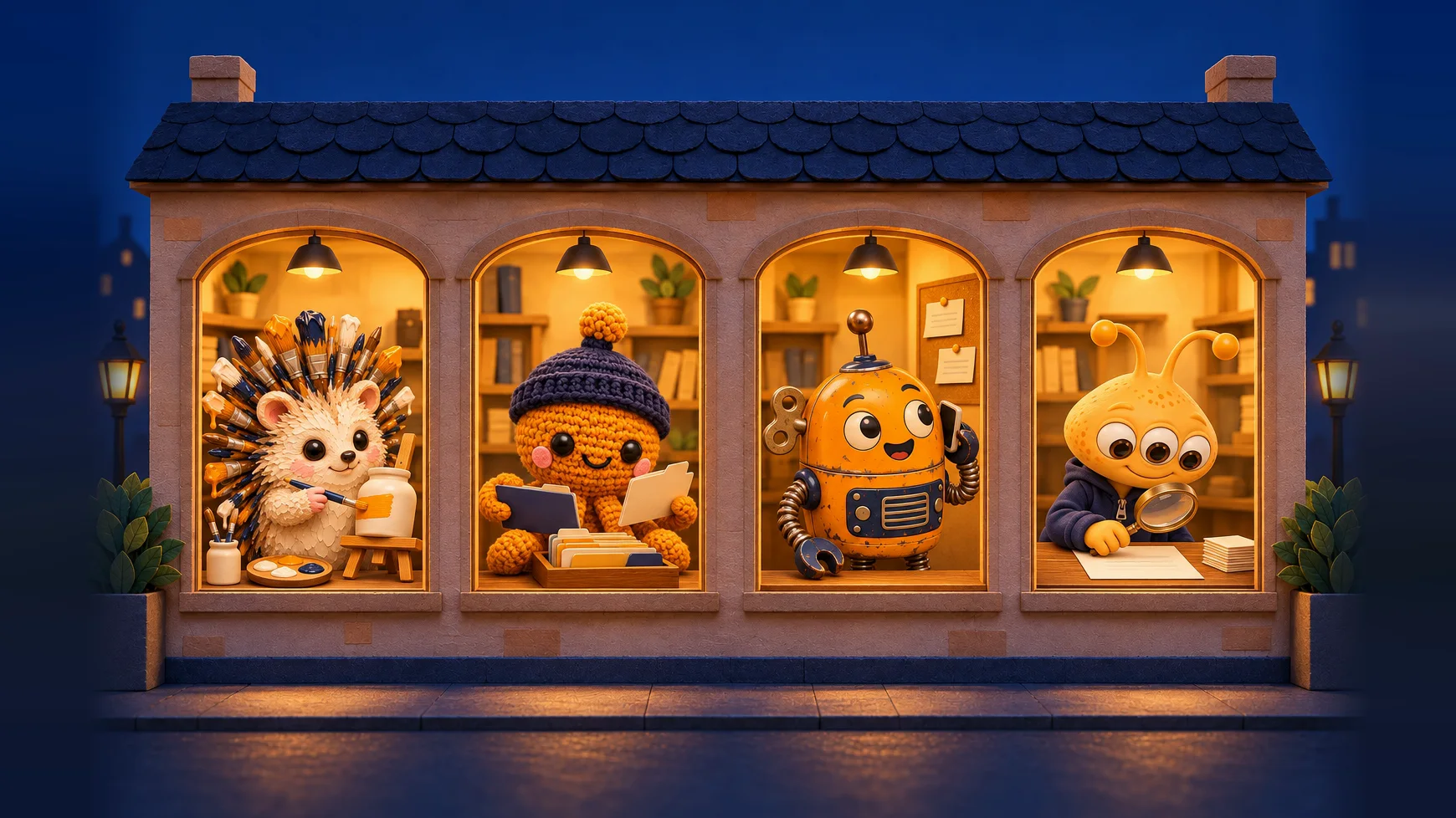
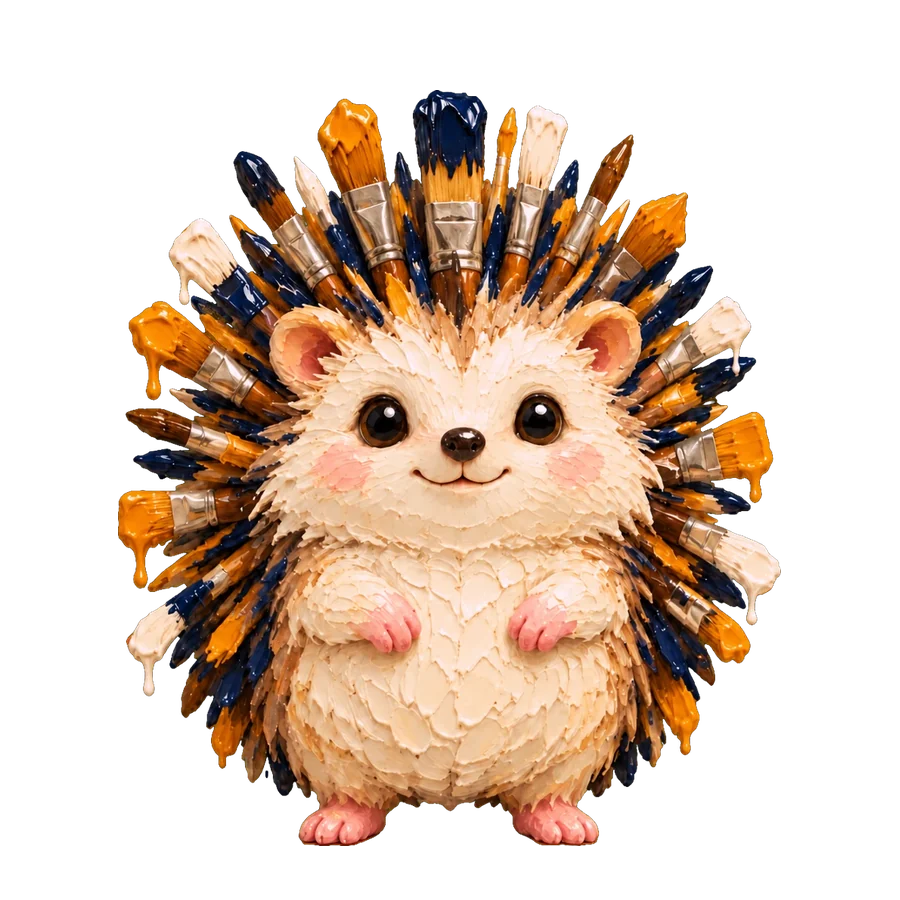 Bristle, Brand Visionary
The working vocabulary
The words the judge grades with.
This isn’t a marketing diagram. It is the list of failures the vision judge looks for, word for word from the code that runs it.
- Axes
identity, product fidelity, text occlusion, scene artifacts
- Failures
wrong_product (the wrong product), product_distorted (the product is bent or warped), text_over_face (words over a face), text_over_product (words over the product), text_illegible (words that can’t be read), scene_artifact (a glitch in the scene), competitor_leak (a rival’s mark got in)
And one verdict worth earning: clean.
Questions
What people ask about the work.
What formats can it create?
Product photography end to end (hero, lifestyle, detail, flat lay, marketplace catalog shots, email banners), plus ads built on the ad-shape catalog, and a weekly social feed if you want more than a launch.
How does the cast stay the same?
The recurring cast is made once for your brand and kept, so the same faces carry across every shot in a campaign.
What does "advisory" mean for the checks?
On ads, the AI judge grades every image and shows what it finds (a legibility score, a fidelity flag, a text-placement warning) next to the frame. Its grades are advice. Two checks do more: a logo leak holds the image for a person, and low contrast sends it to a person to look at. A person signs off either way.
Does it post to Pinterest for me?
No. You get the bulk-upload file with the schedule and columns done, and you import it into Pinterest yourself.
Images: questions about any part of it? Ask us.
- Tell us about your brand.
- A person on our team reads it.
- We read every application and reply within two business days.
Already use Claude or ChatGPT? Connect your AI, free