Video Done for you by our team. Let's talk.
The hook first. The frame last.
You have seen the slick clip with nothing to say, and the face that changes every ad. Jinn starts with the hook and keeps the cast. Research through casting runs today. The final render is in build.
The shift
Rendering a frame is getting cheap. A reason to watch it is not.
Any tool can now make a frame that looks expensive. What it can’t make is the reason someone stops on it: a hook that fits your brand, a face they have seen before, a pattern that has already landed in your category.
Under every Video film sits one loop: research, hooks, scripts, a cast, then the render, each held for your yes.
From a line anyone could run to one that is yours
The line any brand could run
Galley holds it up to the screens.
A first line written from a prompt alone could open any ad in the feed.
Checked against the record
Murmur listens for the brand.
Murmur reads the line beside the record: the product page and the voice rules.
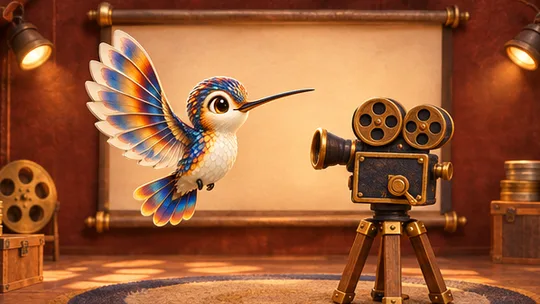
A line that is yours
Frame takes it to the screen.
The line that goes on names what is in the can and how it tastes.
Why volume content fails
More frames, faster, still adds up to the same feed.
It optimizes for output, not the idea
A volume generator measures itself in frames per minute. It will make a thousand visuals before it asks whether any of them carry a hook worth watching. Speed without a thesis is just faster noise.
It can’t hold a character
Generate the same person twice and you get two strangers. Without a steady cast, every video, tile and product shot reads as a one-off, and a brand can’t build a face anyone remembers.
It guesses at what performs
With no research feeding the work, the model falls back on the average of what it was trained on: the same pacing, the same framing, the same tired opener. The result blends into the feed instead of stopping the scroll.
The answer
Hook. Character. Story. Then the frame.
It reasons about the hook first
Jinn writes briefs from your record, then a slate of hooks for each. Every hook is scored and ranked against the rest, and only the strongest become scripts.
It carries a steady cast
Each cast member is held as a production asset: voice, personality, wardrobe, movement and a set of reference pictures, so the same person shows up across video, image and photography. A cast your audience can recognize, not a new stranger every render.
It studies what performs before it writes
Before a concept is written, Jinn studies analyzed videos from your category for the hooks, structures and patterns that land there. The work starts from evidence, not the average.
It hands you a production plan, not just a concept
The pipeline joins scripts, cast and product references into directions scene by scene, and a person approves each one. The render that turns those directions into a film is in build.
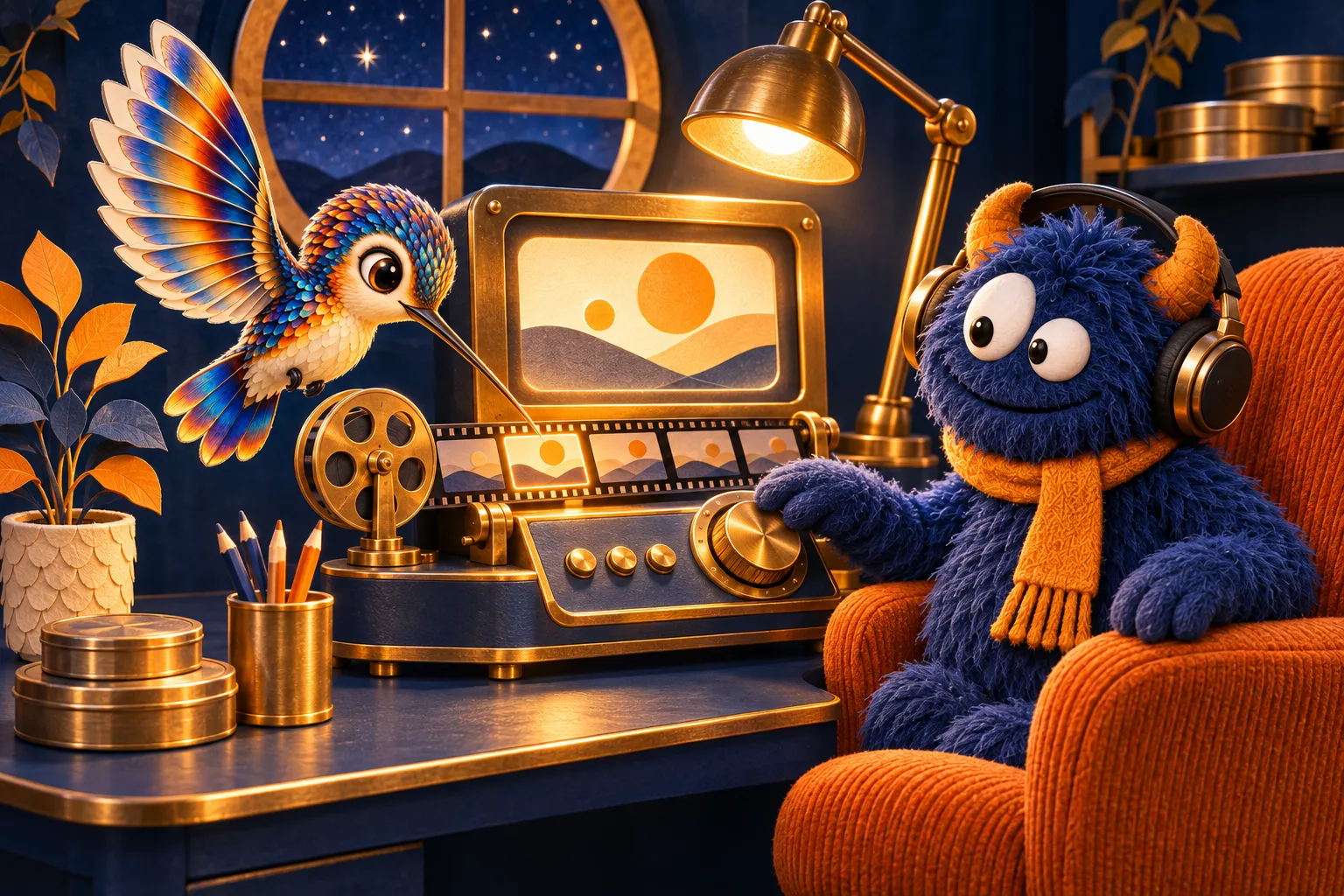
One record
One brand record. Every visual built from it.
Jinn reads your site and catalog and pulls out what makes the brand: its character, its voice, its positioning, its ingredients and prices, the lines it must not cross, and how it looks. Every hook, script, cast member and direction builds on that record, so a video ad, a static tile, a product shot and a motion piece all read as the same brand.
A tool that starts from a prompt has none of that to draw on.
Before you brief
What people ask before they brief a film
What runs today?
Research through casting runs today. The final render is in build.
What is checked before anything is filmed?
Every script is checked against your recorded facts. A number or a quote with no source behind it is flagged.
When is money spent?
Spend is reserved before any paid render.
What is not built yet?
In build: a frame check before the film is assembled.
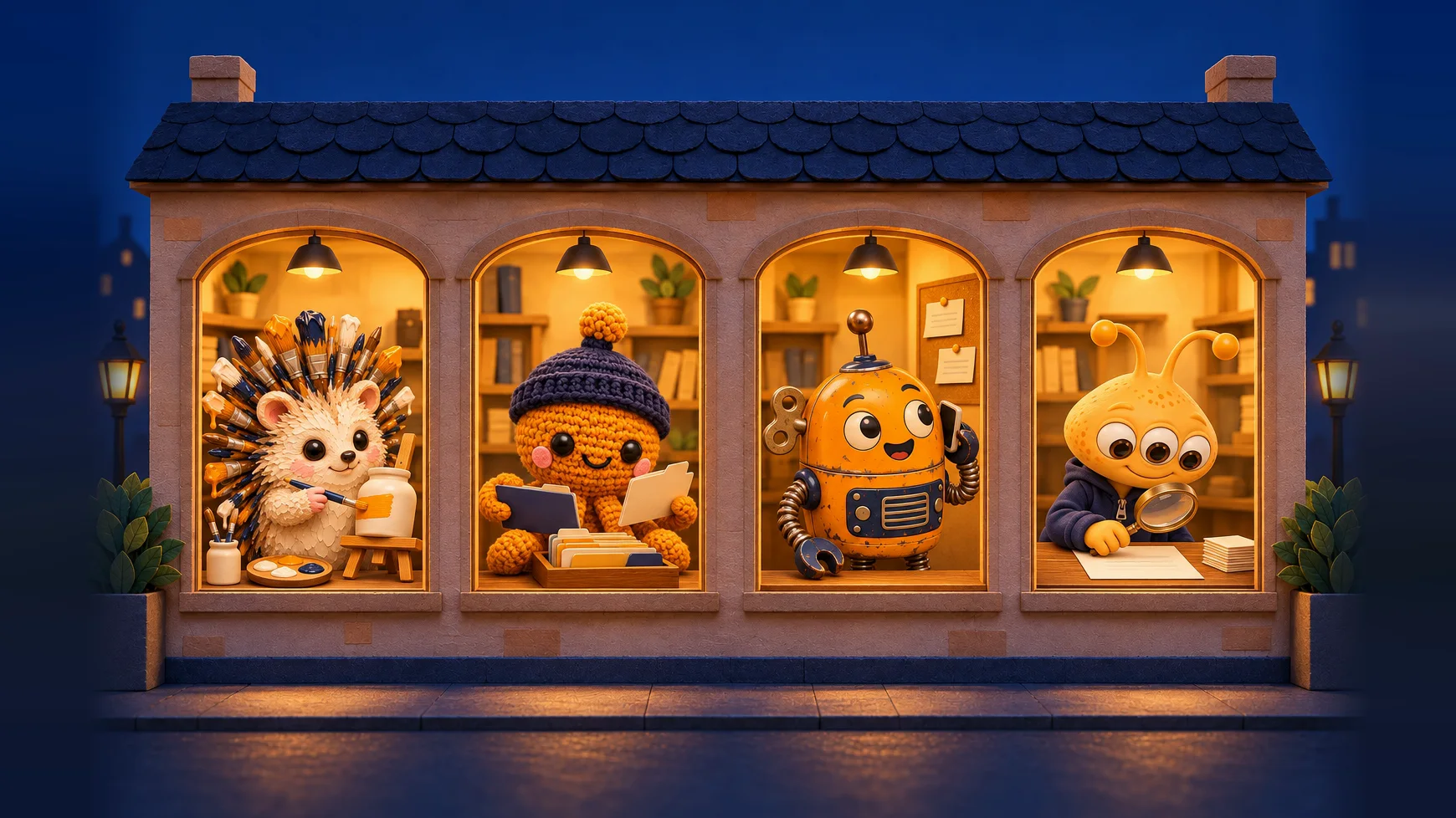
Is this the problem you have with video? Tell us about it.
- Tell us about your brand.
- A person on our team reads it.
- We read every application and reply within two business days.
Already use Claude or ChatGPT? Connect your AI, free